
Understanding the psychology behind gambling decisions
The Role of Emotion in Gambling
Emotions play a significant role in gambling behavior, influencing decision-making processes. Many gamblers experience heightened feelings of excitement and anticipation, particularly when they are on the verge of a win. This emotional state can lead to an increase in risk-taking behavior. Gamblers may ignore the potential for losses while focusing on the thrill of the game. As users engage with platforms such as boombet-australia.co, emotions fluctuate, and a player’s judgment can become clouded, resulting in decisions that may not align with their rational understanding of odds and probabilities.

The rush of winning can trigger a dopamine release in the brain, reinforcing the behavior and encouraging repeat gambling. This physiological response can create a cycle where the excitement of wins overshadows the realities of losses. As players continue to chase this feeling, they may find themselves engaged in riskier bets, further immersing themselves in the gambling experience. The psychological connection between gambling and emotion is a compelling factor that keeps individuals returning to the tables.
Moreover, emotions such as stress or anxiety can also impact gambling decisions. Individuals may gamble as a coping mechanism to escape negative feelings, leading to a cycle of gambling for relief. This can result in irrational decision-making as players seek immediate gratification rather than considering long-term consequences. Understanding this emotional aspect is crucial for both players and professionals in the gambling industry as it can shape strategies for responsible gaming and player support.
Cognitive Biases and Gambling
Cognitive biases significantly influence how gamblers perceive risk and reward. One common bias is the illusion of control, where players believe they can influence the outcome of games, particularly in games of chance. This misconception often leads them to take unnecessary risks, thinking that their skills can improve their chances of winning. For example, a player might believe that selecting specific numbers in a lottery will enhance their likelihood of winning, despite the statistical evidence suggesting otherwise.
Another prevalent cognitive bias is the gambler’s fallacy, where players erroneously believe that past outcomes affect future ones. For instance, if a roulette wheel has landed on red several times in a row, a gambler might bet on black, convinced that it’s “due” to come up. This misunderstanding of probability can result in unwise gambling choices, as individuals overlook the independence of each game event. Understanding these biases can help gamblers make more informed decisions and recognize when they are falling victim to faulty reasoning.
The impact of cognitive biases extends beyond individual players; it also affects the gambling industry as a whole. Casinos and online gaming platforms often design games to exploit these biases, enticing players to gamble more frequently and spend larger sums of money. By understanding the psychological mechanisms at play, both gamblers and industry professionals can develop strategies to promote healthier gambling practices and mitigate the risks associated with cognitive distortions.
The Impact of Social Influences on Gambling
Social factors significantly influence gambling behavior, often shaping individual choices and reinforcing gambling habits. The social environment plays a crucial role in normalizing gambling, particularly among peer groups. When friends or family members engage in gambling activities, it can create a sense of acceptance and encourage others to participate. This social validation can lead individuals to gamble more frequently, as they seek to fit in or enjoy shared experiences.
The availability of gambling through various social channels, such as online platforms and social media, also exacerbates its appeal. Social media influencers may promote gambling as a fun and exciting activity, further entrenching it in popular culture. This exposure can lead to increased participation, particularly among younger audiences who may be more susceptible to peer pressure and the desire for social engagement. Understanding these social dynamics is essential for addressing the risks of problematic gambling behavior.
Moreover, community events and local gambling establishments often foster a sense of camaraderie among participants. Social gambling events can enhance the enjoyment of gaming but may also lead to excessive gambling if individuals feel pressured to participate or compete. By recognizing the role of social influences in gambling decisions, both players and industry stakeholders can work to create environments that promote responsible gaming and healthy social interactions around gambling activities.
Addiction and Its Psychological Underpinnings
The psychology of gambling addiction is a complex area that involves multiple factors, including behavioral, emotional, and cognitive components. Individuals with gambling addiction often exhibit patterns of behavior similar to those seen in substance abuse disorders. They may experience cravings, loss of control, and a continued engagement in gambling despite negative consequences. Understanding the psychological roots of gambling addiction is crucial for developing effective treatment strategies.
Behavioral conditioning plays a vital role in gambling addiction. The reinforcement of winning behaviors can lead to compulsive gambling, as individuals repeatedly seek the euphoric feeling associated with wins. This can create a cycle where gamblers neglect their responsibilities and relationships in pursuit of gambling. The psychological impact of losing can also lead to chasing losses, where individuals gamble more in hopes of recouping lost funds, which only perpetuates the cycle of addiction.
Additionally, underlying mental health issues, such as depression or anxiety, often coexist with gambling addiction. Individuals may use gambling as a means of coping with emotional distress, leading to further psychological complications. It is essential to recognize these interconnected issues to provide comprehensive support and treatment options for those struggling with gambling addiction. By fostering a deeper understanding of these psychological underpinnings, professionals can better address the needs of affected individuals and promote healthier habits.
BoomBet: A Responsible Gaming Approach
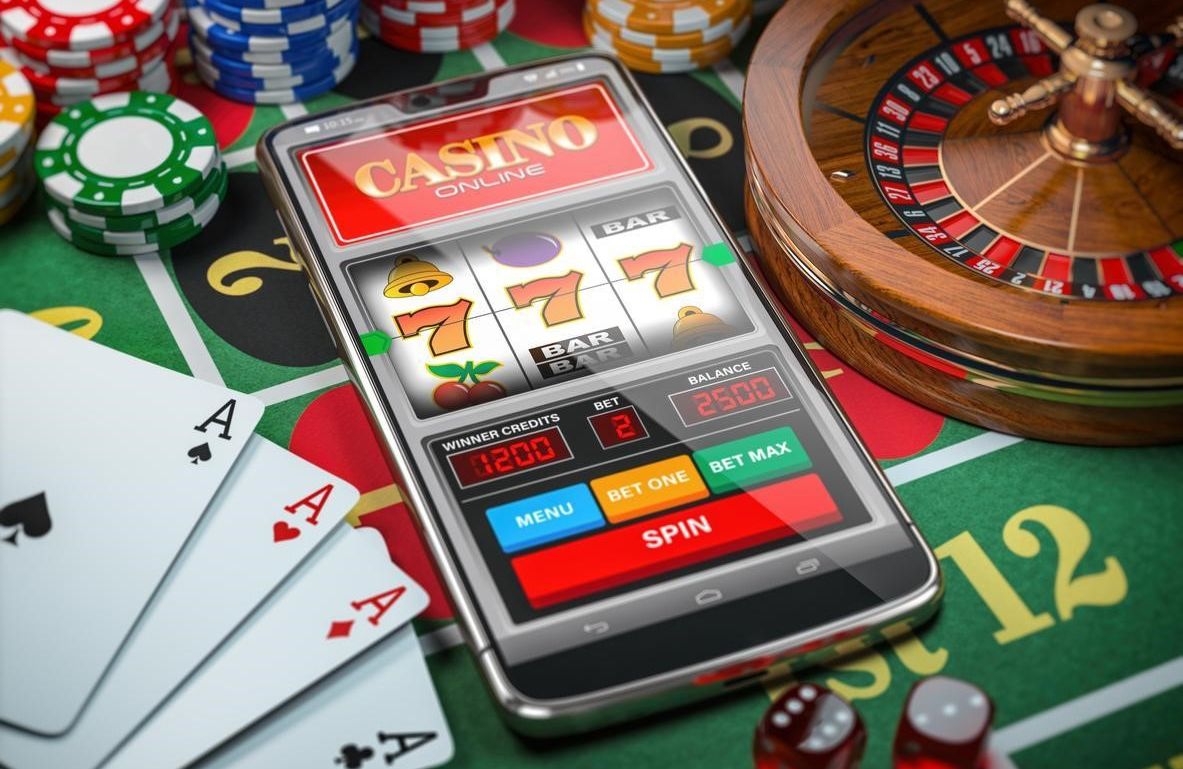
As an online casino platform, BoomBet Australia emphasizes the importance of responsible gambling while providing an extensive range of gaming options. With over 3,000 games available, including pokies, live dealers, and table games, BoomBet caters to various player preferences. However, the platform also prioritizes user safety and mental well-being by promoting responsible gaming practices and offering resources for players who may need assistance.
Through its user-friendly interface and 24/7 customer support, BoomBet aims to create a secure environment where players can enjoy their favorite games responsibly. The website also implements various tools to help players manage their gambling behavior, such as deposit limits and self-exclusion options. By fostering awareness and understanding of the psychological aspects of gambling, BoomBet is committed to ensuring a safe gaming experience for all users.
Additionally, the platform regularly engages in promotions that encourage responsible gaming and offers generous bonuses to enhance the player experience. By combining exciting gaming options with a strong commitment to player welfare, BoomBet sets a standard for online casinos that value both entertainment and responsibility. Understanding the psychology behind gambling decisions is vital for creating an engaging and secure gaming environment for all players.
Deixe um comentário